.svg)
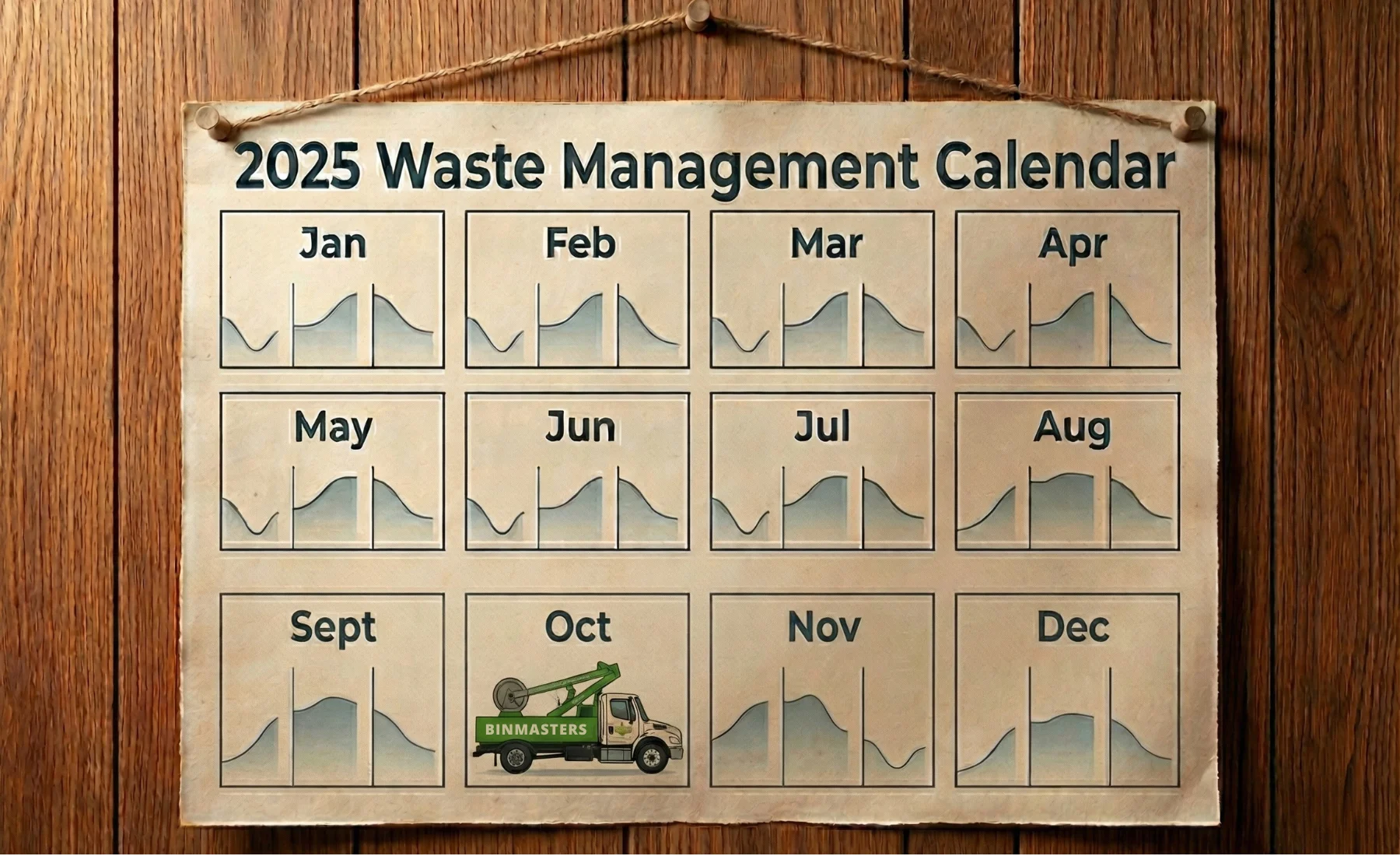
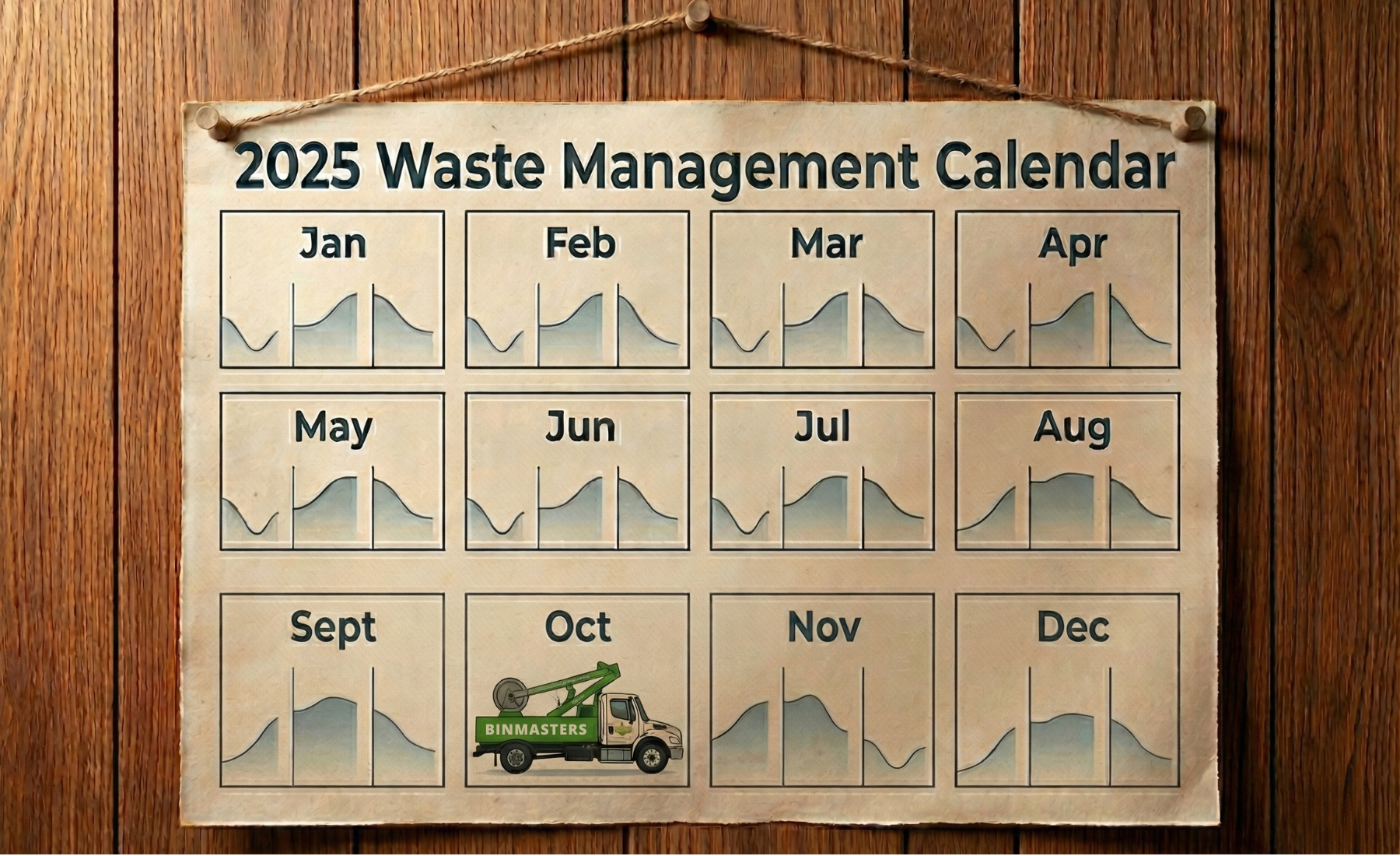
For many businesses, waste generation is not a constant, predictable stream. Seasonal fluctuations, driven by holidays, tourism, construction cycles, or agricultural harvests, can lead to dramatic variations in waste volume throughout the year. These fluctuations can pose a major challenge for budgeting and waste management, creating systemic problems that go beyond simple inconvenience. Unmanaged peaks can lead to overflowing bins, contamination risks, missed collections, and unexpected emergency costs, while deep troughs result in paying for unnecessary capacity. By accurately understanding these dynamic seasonal patterns and planning compaction and collection schedules accordingly, businesses can optimize their waste management budgets, ensure regulatory compliance, and maintain highly efficient operations year-round.
Understanding the Impact of Seasonality on Waste Generation and Compaction Efficiency
The first and most critical step in managing seasonal waste fluctuations is to develop a deep understanding of the volume, composition, and timing of your waste stream changes. A study by Denafas et al. (2014) found that the composition of municipal solid waste is strongly influenced by seasonal variations, which in turn affects the quality of recyclable materials, a trend that holds true for commercial waste streams [1].
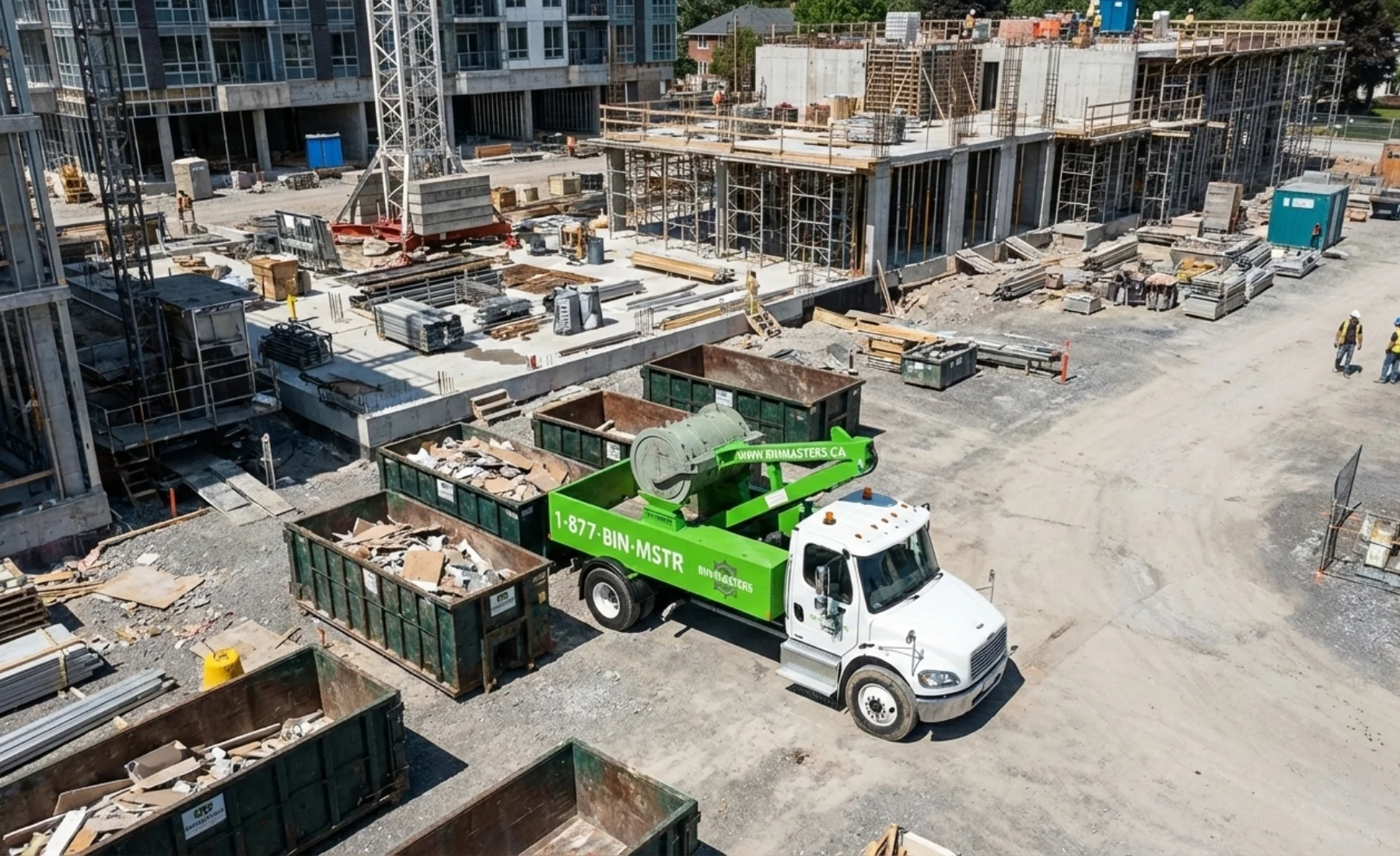
The impact of seasonality is highly sector-specific. For businesses in the retail or hospitality sectors, the holiday season (Q4) brings a massive surge in packaging, shipping materials, and food waste. Hotels and tourist attractions experience summer peaks with high volumes of single-use plastics and general waste. Conversely, construction companies often see their heaviest volumes of C&D debris during warmer, drier months when large-scale projects are underway, followed by a winter slowdown.
Crucially, volume changes also affect compaction efficiency. For example, in winter, dense, wet food waste and heavy paper may compact easily, but during a retail peak, the waste stream is dominated by bulky, springy corrugated cardboard. Cardboard take up significant space and require a different compaction pressure and frequency than general waste. By analyzing your own data and identifying not just the volume trends, but the corresponding shifts in material composition, you can begin to forecast your future compaction and collection needs with far greater accuracy, avoiding the cost of hauling mostly air in your containers.
Strategic Planning for Variable Compaction and Disposal Needs
Once you have a data-driven understanding of your seasonal waste patterns, you can develop a comprehensive, flexible, and effective budgeting and operational strategy. These tactics focus on agility, data utilization, and waste minimization:
- Analyze Historical Data for Predictive Forecasting: Do not rely on assumptions. Thoroughly examine your waste hauling invoices and internal logistics reports from previous years to isolate and quantify the peaks and troughs in your waste generation. This historical data, when correlated with business activity metrics (e.g., sales volume, visitor numbers), is invaluable for building accurate predictive models. Accurate forecasting allows you to proactively adjust service levels weeks in advance of a surge, minimizing emergency costs.
- Work with a Flexible Waste Management Partner: The rigidity of long-term contracts can be a major budget killer during low-volume periods. Choose a waste management provider that explicitly offers flexible service options, such as easily adjustable container sizes, scheduled service suspensions during off-peak months, or on-call pickups or mobile compaction only when a container reaches a certain threshold. This partnership model allows you to scale your service up or down as needed, ensuring you are not locked into paying for unused capacity.
- Consider a Variable-Rate Pricing Model (Pay-As-You-Throw): For businesses with dramatic seasonal fluctuations, adopting a variable-rate or "pay-as-you-throw" pricing model can be highly cost-effective. Under this model, you pay directly based on the actual weight or volume of non-recycled waste generated. A study by Carattini et al. (2018) found that pricing garbage by the bag can reduce unsorted garbage by a substantial 40% [2]. This financial incentive not only lowers costs during slow seasons but actively encourages waste minimization and source separation throughout the entire year.
- Implement Comprehensive Waste Reduction and Recycling Measures: The most effective way to manage disposal costs is to minimize the amount of waste that ever enters the compaction stream. Implement robust source separation and recycling programs for all high-volume materials (especially cardboard and plastics). Additionally, focus on upstream reduction measures, such as switching to reusable shipping totes, optimizing product packaging design, or composting food waste, which will permanently reduce the overall baseline volume of waste generated, regardless of seasonal activity.
Internal Planning and Cross-Departmental Communication
Successful management of waste peaks requires internal alignment:
- Inter-Departmental Forecasting: Waste managers should be included in quarterly planning meetings for operations, marketing, and sales teams. If marketing is planning a major product launch or sales is forecasting a record holiday quarter, the waste team must know this to pre-order extra services.
- Seasonal Staff Training: Temporary staff hired for peak seasons often lack knowledge of complex recycling procedures. Focused, mandatory training must be implemented for all seasonal hires to maintain low contamination rates when volume is highest.
The Comprehensive Benefits of Proactive Seasonal Waste Management
By taking a proactive, data-informed approach to managing seasonal waste fluctuations, businesses secure a significant competitive and operational advantage that transcends simple cost reduction.
Financial and Operational Efficiency
A flexible and well-planned waste management strategy leads to substantial and measurable cost savings. The primary financial benefit is the avoidance of unnecessary fees, particularly high-cost surcharges levied for emergency pickups, overflowing containers, or failed collections due to overfilling. By aligning capacity with demand, businesses minimize payment for half-empty bins during slow periods and eliminate the premium charged for last-minute service during peak demand. This precise control over volume and timing improves overall operational efficiency, ensuring dock areas remain clear and safe, and that waste streams are managed seamlessly without impacting core business functions.
Furthermore, a focus on material segregation, a necessary step for successful seasonal management, results in higher revenue from recyclables. Clean, separated cardboard collected during a holiday peak, for example, is a highly marketable commodity, fundamentally changing waste from a pure expense into a partial revenue generator. Research by Mendes et al. (2013) highlights the importance of rigorously evaluating waste management performance in regions with strong seasonal variability to ensure both efficiency and sustainability goals are met [3].
Enhanced Reputation and Sustainability Credentials
Beyond the budget, a proactive approach to waste management significantly enhances a company's reputation and brand image. Customers, investors, and regulators are increasingly prioritizing environmental, social, and governance (ESG) factors. By visibly demonstrating a commitment to responsible, year-round waste management, avoiding the unsightly and often illegal spectacle of overflowing dumpsters, companies can attract environmentally conscious customers and employees. This commitment provides tangible evidence for corporate sustainability reports, strengthening stakeholder confidence and securing a brand advantage in a crowded marketplace.
Technological Tools for Predictive Forecasting and Real-Time Compaction Monitoring
Modern waste management relies on technology to transcend historical data and achieve true real-time management of variable volumes:
- IoT Bins Sensors: Internet of Things (IoT) sensors can be installed directly into bins to measure fill-level, weight, and sometimes material composition in real-time. This technology eliminates guesswork, allowing providers to schedule a mobile compaction service pickup only when the unit is optimally full (e.g., 85-90%), maximizing the cost-efficiency of every haul and preventing unexpected overflows.
- Predictive Analytics and AI: Leveraging Artificial Intelligence (AI) allows waste management systems to integrate historical data with external factors like weather forecasts, local events, and economic indicators. These predictive models can anticipate a sharp spike in waste generation with higher accuracy than historical data alone, allowing for proactive adjustment of collection routes and staffing.
Conclusion: Turning a Challenge into a Dynamic Opportunity
Seasonal waste volume fluctuations, while a historical challenge, represent a powerful opportunity in modern business. By embracing data analysis, flexible service partnerships, advanced compaction technology, and proactive internal communication, organizations can transform their waste strategy from a reactive cost center into a dynamically managed, predictable asset. The ability to seamlessly adjust compaction needs and collection services to align perfectly with shifting operational rhythms is the hallmark of an efficient and sustainable business. With the right planning and partnerships, businesses can ensure that their waste management budget and operational flow are as intelligent and adaptable as their highest-performing departments, reinforcing a commitment to both fiscal prudence and environmental leadership.
References
[1] Denafas, G., Ruzgas, T., Martuzevičius, D., Shmarin, S., Hoffmann, M., Mykhaylenko, V., ... & Chusov, A. (2014). Seasonal variation of municipal solid waste generation and composition in four East European cities. Resources, conservation and recycling, 89, 22-30.
[2] Carattini, S., Duflo, E., & Greenstone, M. (2018). Is taxing waste a waste of time? Evidence from a nationwide garbage-by-the-bag program. In The Economics of Waste (pp. 139-173). University of Chicago Press.
[3] Mendes, P., Santos, A. C., & Nunes, L. M. (2013). Evaluating municipal solid waste management performance in regions with strong seasonal variability. Ecological indicators, 27, 106-113.